Fountain of the Wind
Canal Park, Duluth, Minnesota
Fountain of the Wind
Location
Canal Park, Duluth, Minnesota
Materials
Bronze, stainless steel, stone, water, glass, light and a touch of gold leaf.
Overview
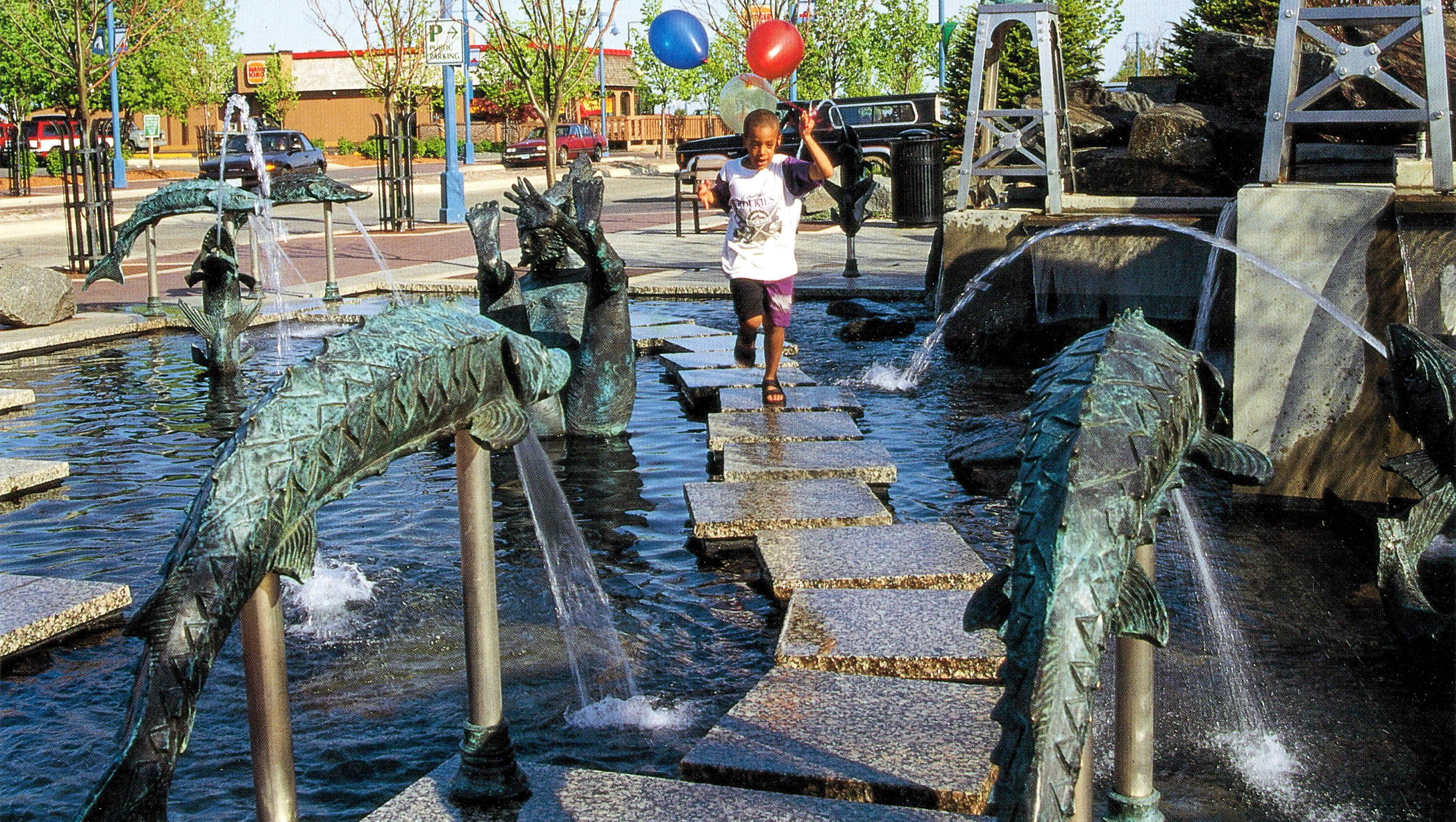
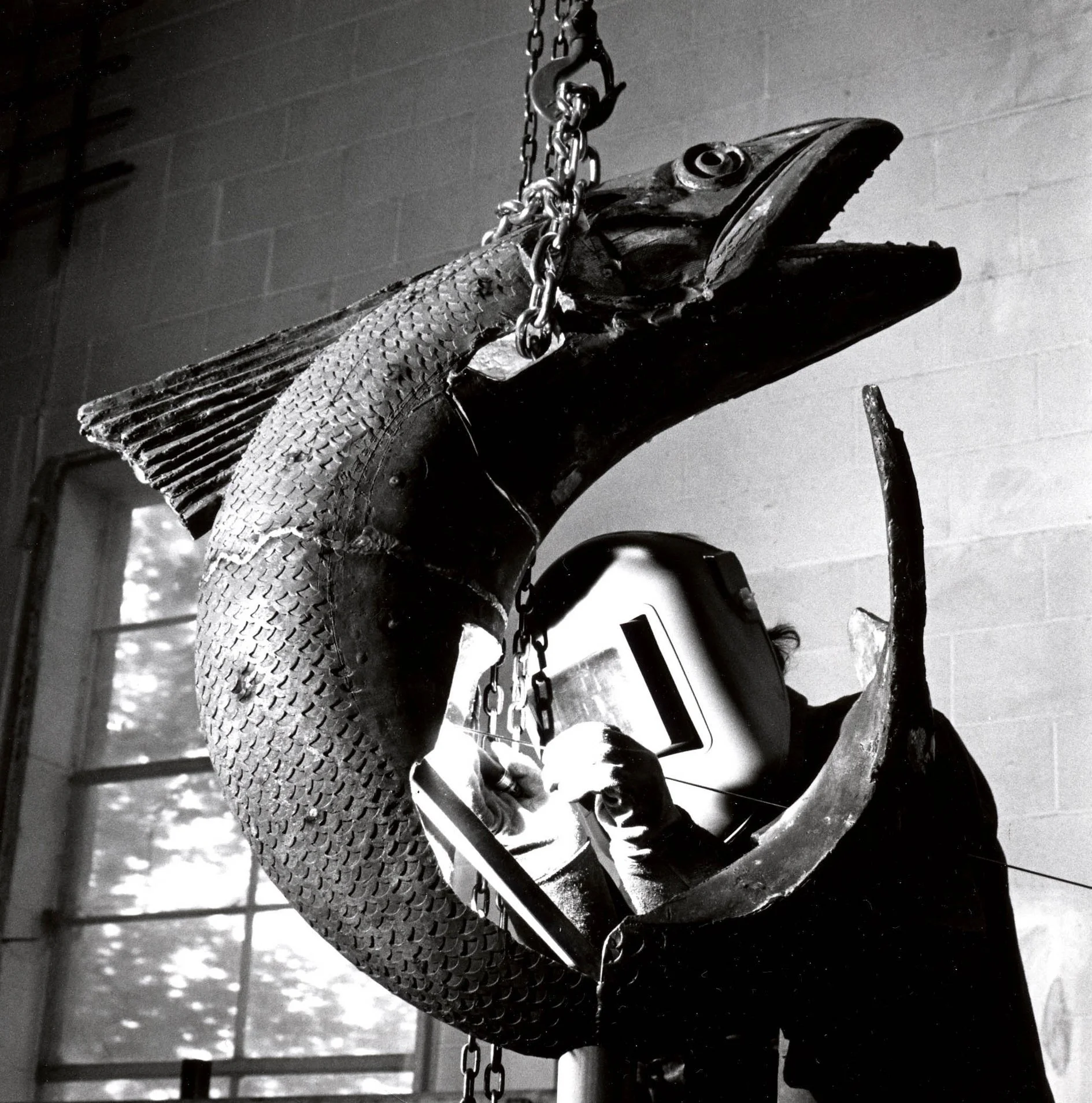
Fountain of the Wind is a large-scale sculptural fountain located near the shores of Lake Superior in Duluth’s Canal Park. Visitors move through the installation using stepping stones that lead into a landscape of cascading water, bronze fish, and sculptural towers.
Story of the Commission
The project was commissioned as part of the development of Canal Park, a waterfront district celebrating Duluth’s relationship with Lake Superior. The fountain was designed to create a public destination along the waterfront.
Concept
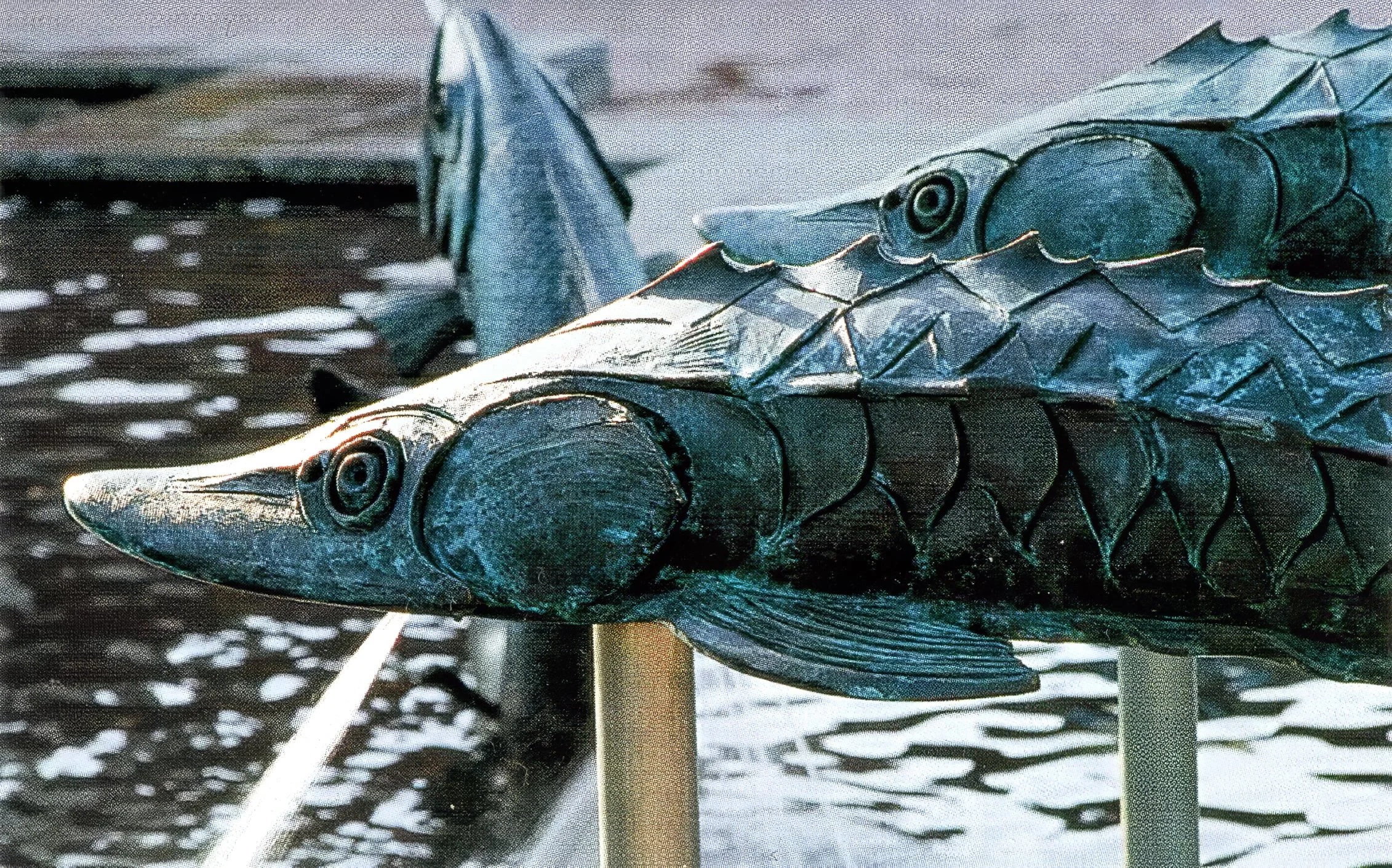
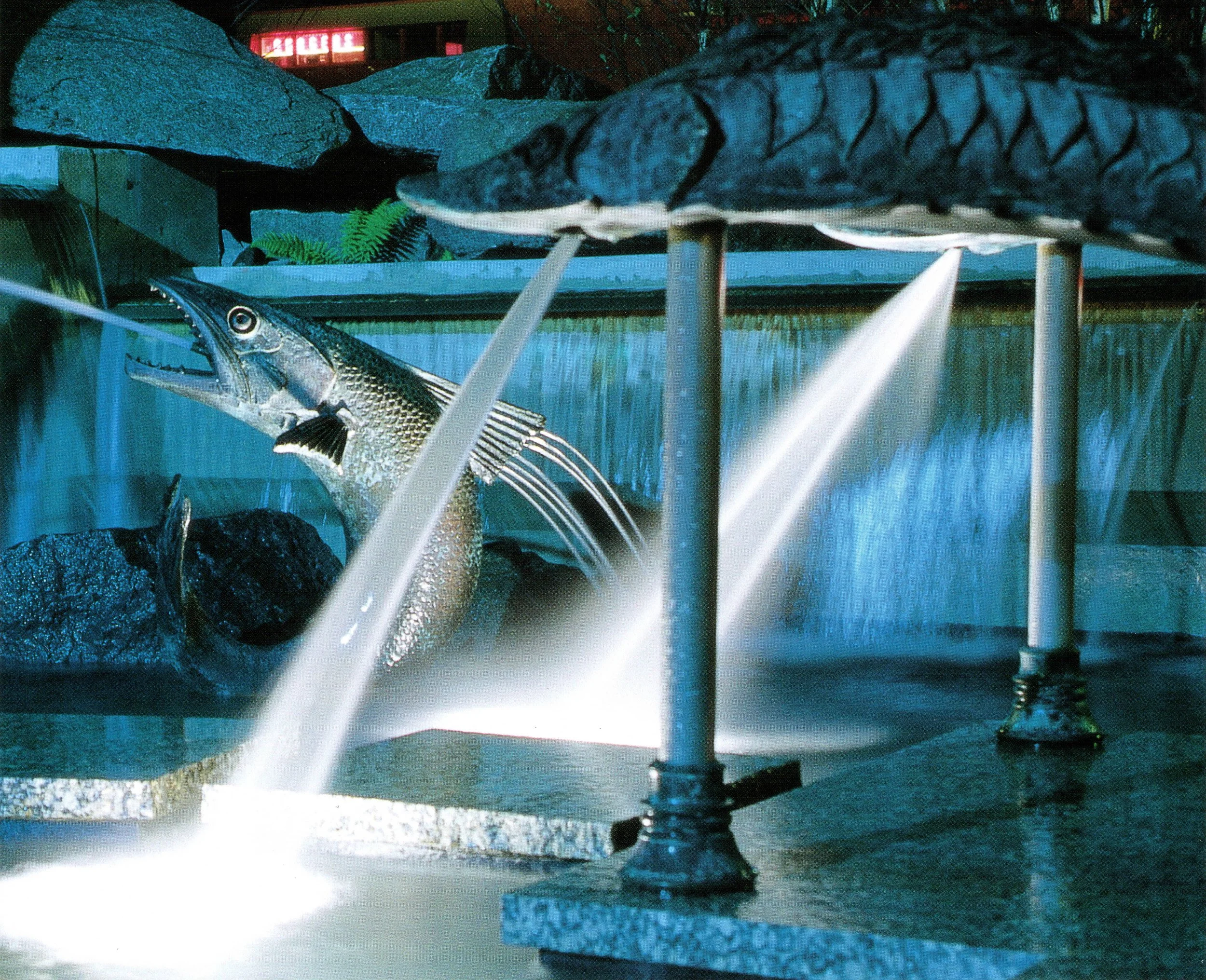
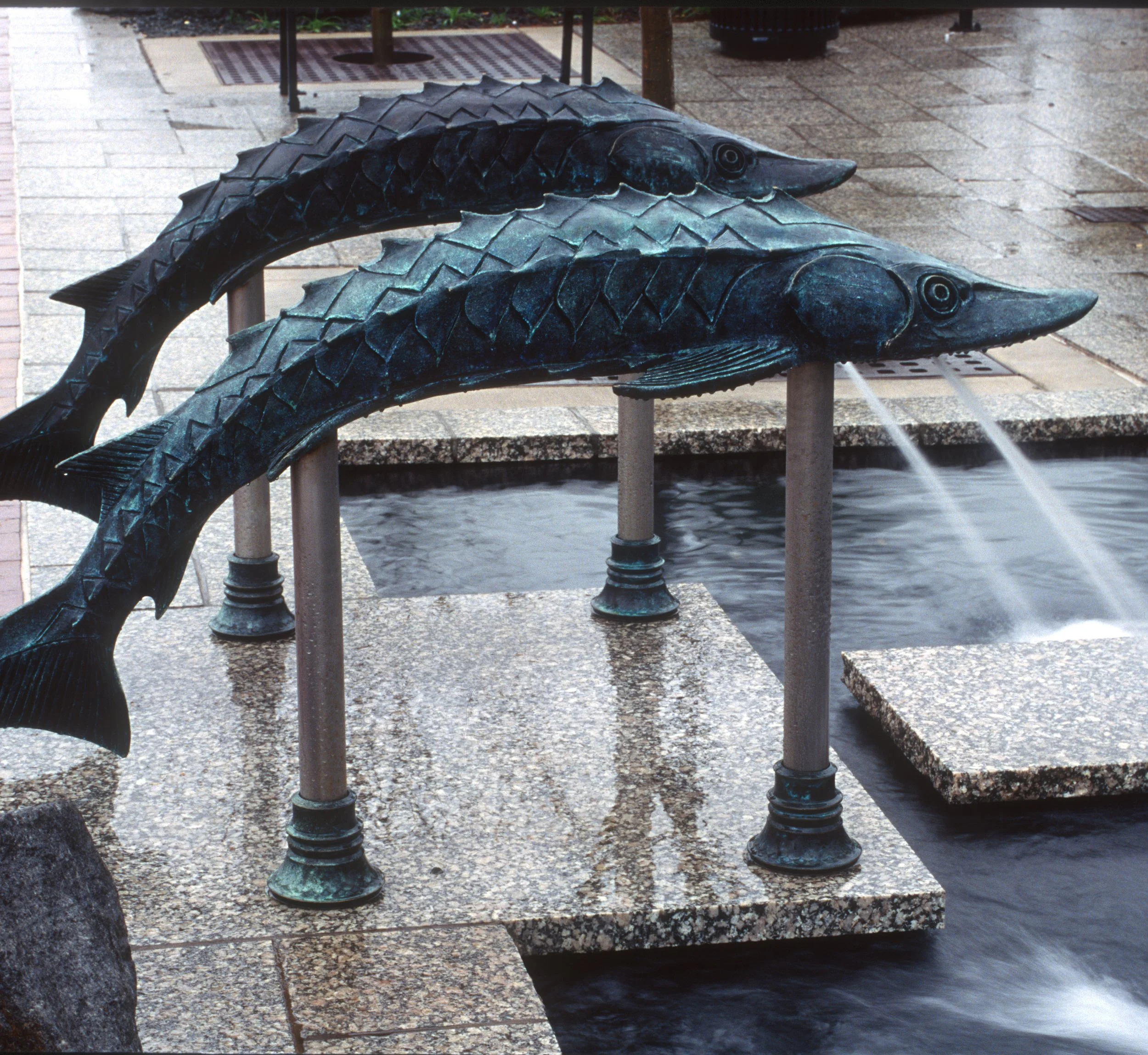
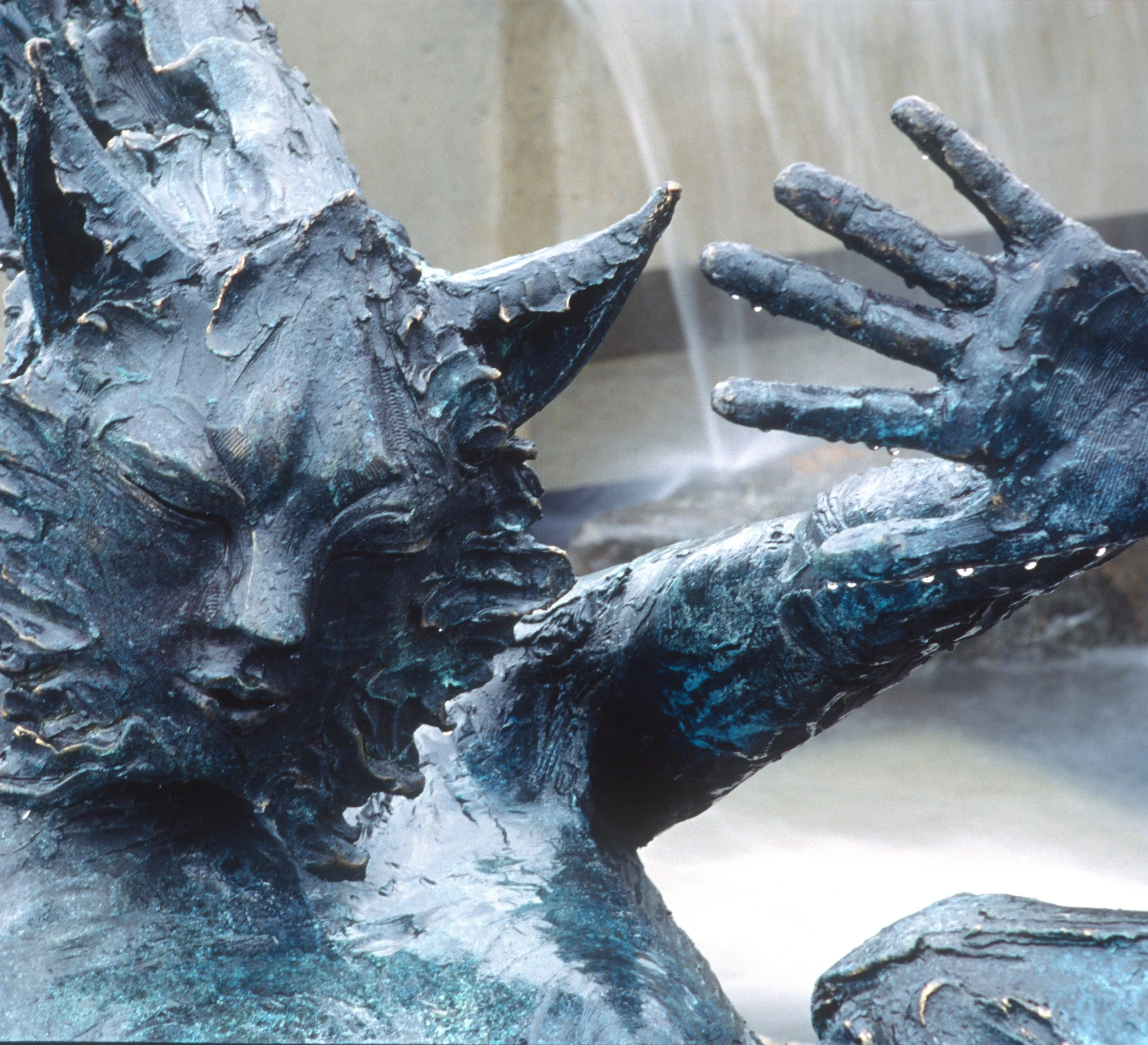
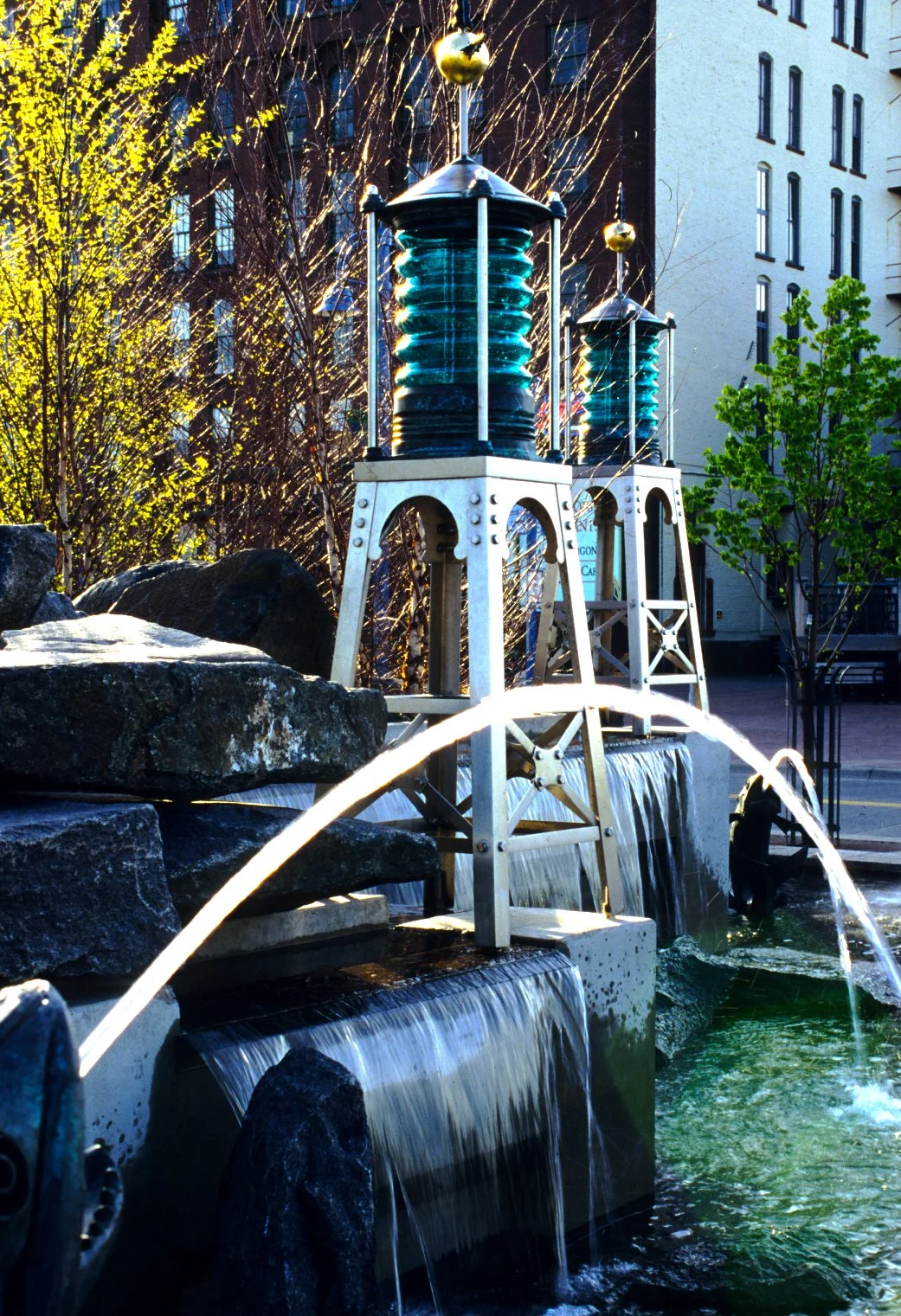
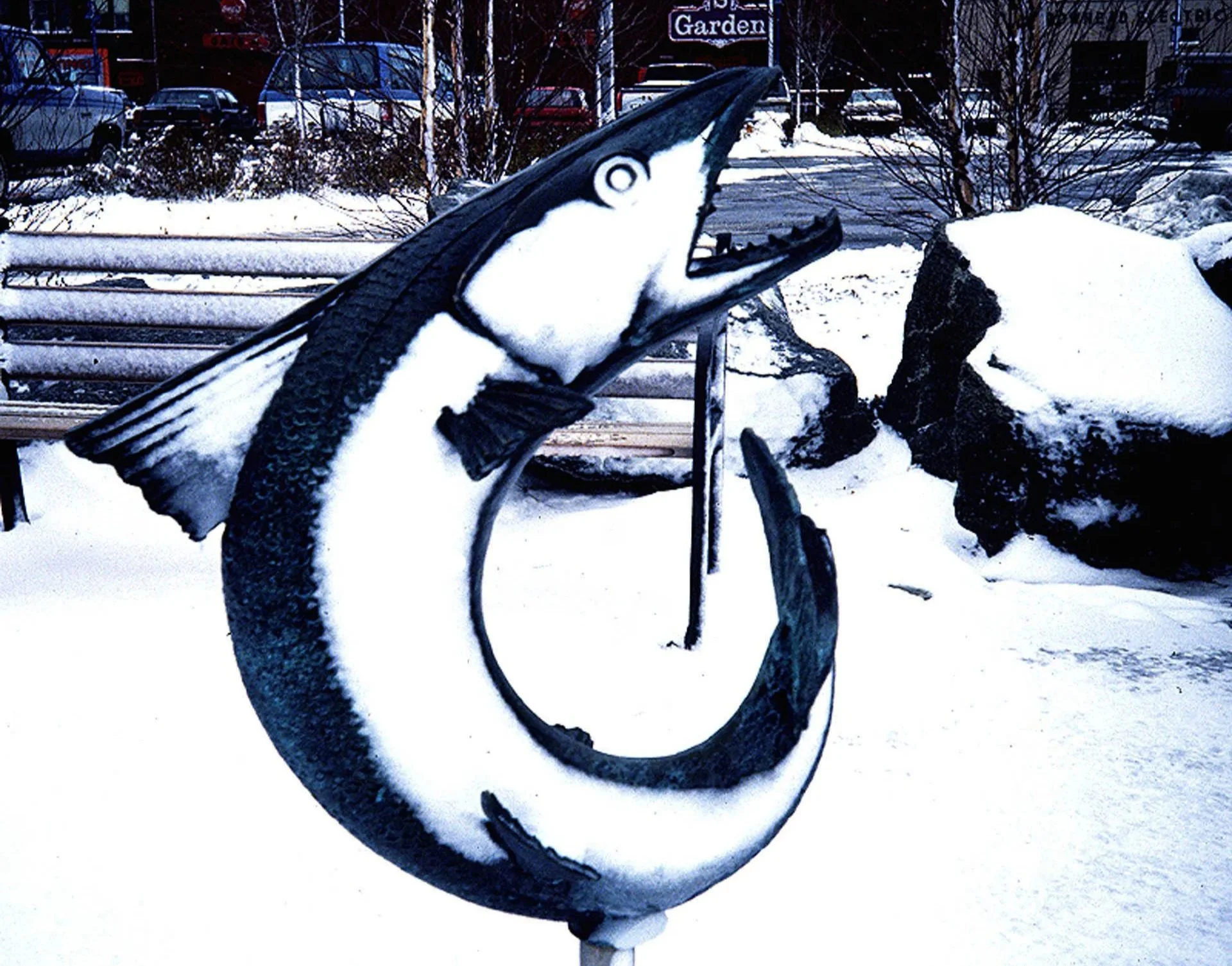
The fountain reflects the energy and mythology of Lake Superior. Bronze sturgeon and lake trout send jets of water into the fountain while cascades echo the water falls on the north shore. Light towers create a visual connection to the Duluth lift bridge. At the center sits a mythological wildcat dreaming in the heart of the fountain.
Design Process
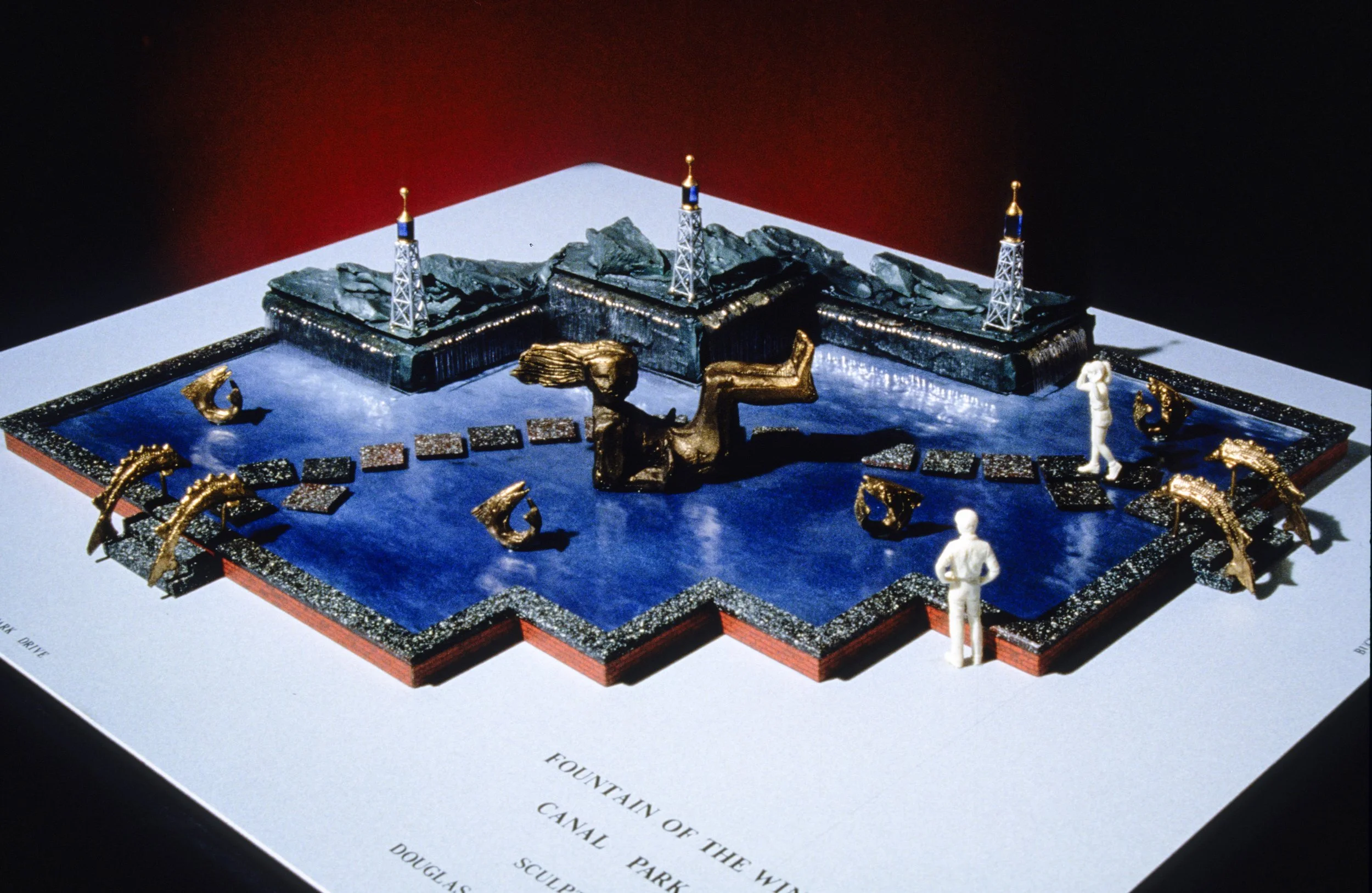
Freeman began with site visits and research - stories of Lake Superior. Giving form to these explorations with drawings and clay models. Next a site model to scale exploring how visitors could move through the fountain environment. The design combined sculptural elements with pathways and stepping stones that allow people to physically enter the work.
Installation and Public Life Today
Today the fountain is a well-known attraction in Canal Park. Visitors explore the stepping stones and interact with the flowing water, making the sculpture an immersive experience within the waterfront landscape.
Small works from the studio
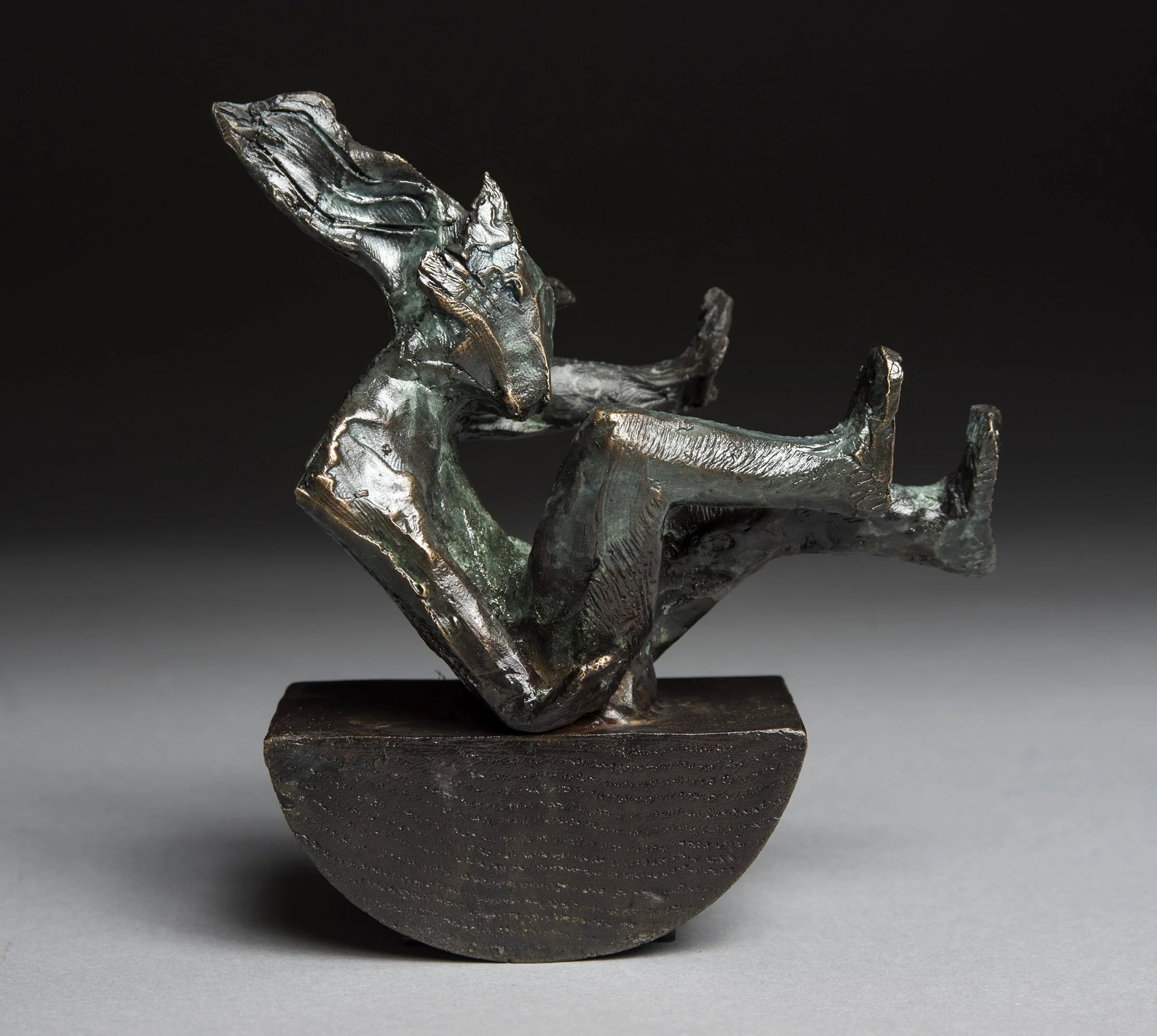
Bronze
Approx. 7” W x 7” H
Limited Edition
This small sculpture is the maquette for Wildcat Dreaming, the central figure in The Fountain of the Wind. Created during the design process, the piece allowed Doug Freeman to study the gesture, movement, and character of the figure before developing the work at a larger scale.
Though modest in size—approximately 7 by 7 inches—the maquette captures the spirit of the final fountain sculpture. As with many of Freeman’s studies, it serves both as a working model and as a finished sculpture in its own right, revealing the artist’s process and the early formation of the larger public work.